
Design Solutions Focused on Sustainability and Environmental Impact
Welcome to our guide on creating sustainable design solutions that prioritize environmental impact and incorporate biophilic design principles. In today's world, it's crucial to consider the long-term effects of our design choices on the environment. By embracing sustainable practices and biophilic design, we can create spaces that benefit both people and the planet.
1. Sustainable Materials
Choosing sustainable materials is a fundamental aspect of environmentally conscious design. Opt for materials that are renewable, recycled, or locally sourced. Bamboo, cork, reclaimed wood, and recycled metal are excellent choices that minimize environmental impact.
2. Energy Efficiency
Integrating energy-efficient solutions into your design can significantly reduce the carbon footprint of a building. Use LED lighting, energy-efficient appliances, and consider passive design strategies such as natural ventilation and daylighting.
3. Water Conservation
Implement water-saving fixtures, rainwater harvesting systems, and drought-resistant landscaping to reduce water consumption in your designs. Water is a precious resource, and designing with conservation in mind is essential for sustainable projects.
4. Biophilic Design
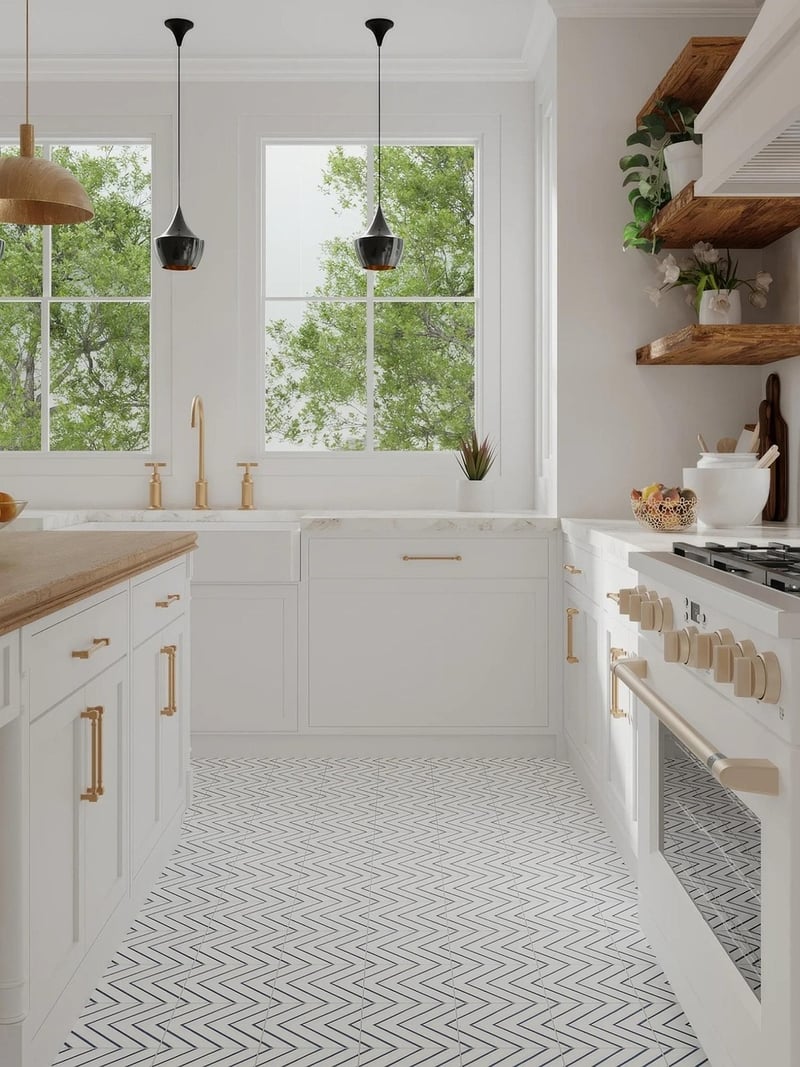
Biophilic design aims to connect people with nature within the built environment. Incorporate elements such as natural light, indoor plants, green walls, and views of nature to improve well-being and productivity while reducing stress levels.
5. Waste Reduction
Minimize waste by designing with a focus on durability, recyclability, and adaptability. Consider the lifecycle of products and materials used in your design to reduce the amount of waste generated during construction and throughout the building's lifespan.
6. Community Engagement
Engage with the local community to understand their needs and incorporate their feedback into your design process. Community involvement can lead to more sustainable outcomes by creating spaces that serve the community while respecting local ecosystems.
7. Certification and Standards
Seek certifications such as LEED (Leadership in Energy and Environmental Design) or WELL Building Standard to validate your commitment to sustainable design practices. These certifications provide a framework for creating healthy, resource-efficient, and environmentally responsible buildings.
Conclusion
By integrating sustainable materials, energy-efficient systems, water conservation strategies, biophilic design elements, waste reduction measures, community engagement, and adhering to certifications and standards, you can create design solutions that prioritize sustainability and minimize environmental impact.
Let's design a better future together by embracing sustainable practices and biophilic design principles in all our projects!