
Reducing Energy Consumption: Technologies and Practices
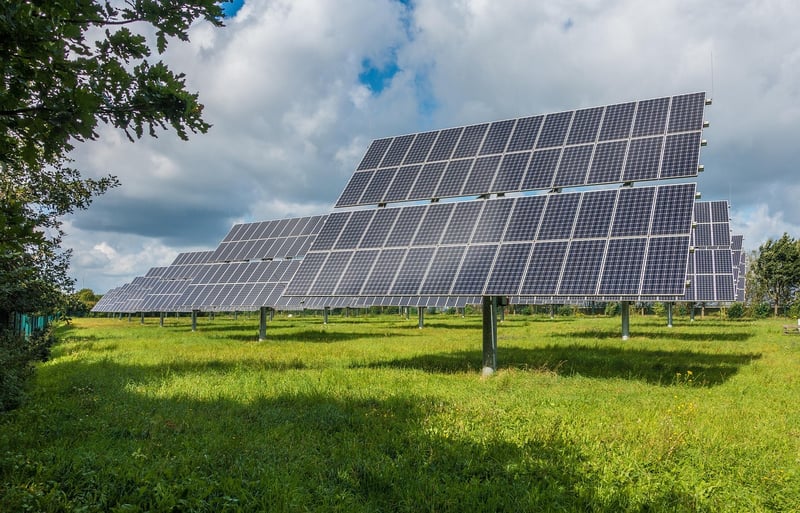
In the era of climate change and sustainability, reducing energy consumption is crucial. By adopting innovative technologies and sustainable practices, individuals and businesses can make a significant impact on the environment while also saving on energy costs. One of the most effective solutions in this regard is the integration of solar panels.
Solar Panels: Harnessing Sustainable Energy
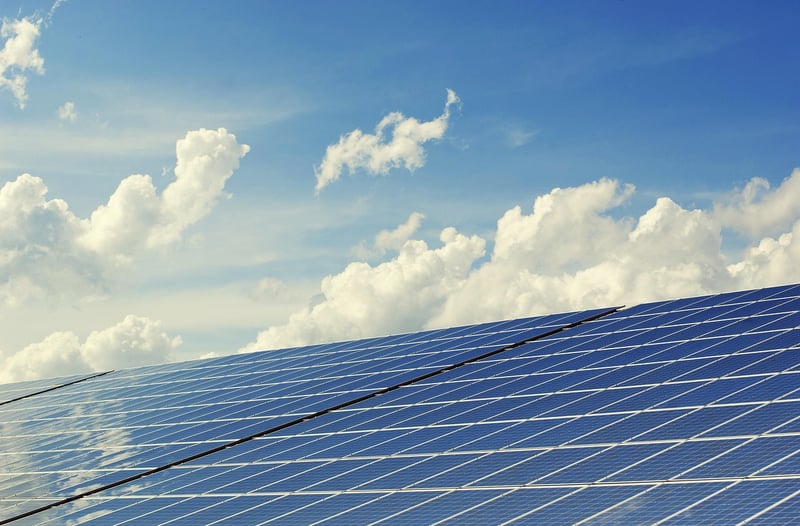
Solar panels, also known as photovoltaic panels, convert sunlight into electricity using photovoltaic cells. This renewable energy source is abundant and environmentally friendly, making it a popular choice for reducing dependency on traditional fossil fuels.
Benefits of Solar Panels:
- Reduces electricity bills
- Low maintenance requirements
- Reduces carbon footprint
- Potential for energy independence
- Incentives and rebates offered by governments
Other Technologies and Practices for Energy Efficiency:
Aside from solar panels, several other technologies and practices can contribute to energy efficiency:
LED Lighting:
Light-emitting diode (LED) bulbs consume less energy than traditional incandescent bulbs and have a longer lifespan, making them a cost-effective lighting solution.
Smart Thermostats:
Smart thermostats regulate heating and cooling systems efficiently, optimizing energy usage based on occupancy and preferences.
Energy-Efficient Appliances:
Upgrading to energy-efficient appliances can significantly reduce electricity consumption, especially for high-energy-consuming devices like refrigerators and air conditioners.
Insulation and Weatherization:
Proper insulation and weatherization of buildings help maintain indoor temperatures, reducing the load on heating and cooling systems.
By incorporating these technologies and practices, individuals and businesses can make a tangible impact on reducing energy consumption and promoting sustainability.
Remember, every small step towards energy efficiency counts in creating a greener and more sustainable future.